Home Window Tinting Near Me: Local Guide
Find trusted home window tinting near me for energy savings, UV protection, and privacy.
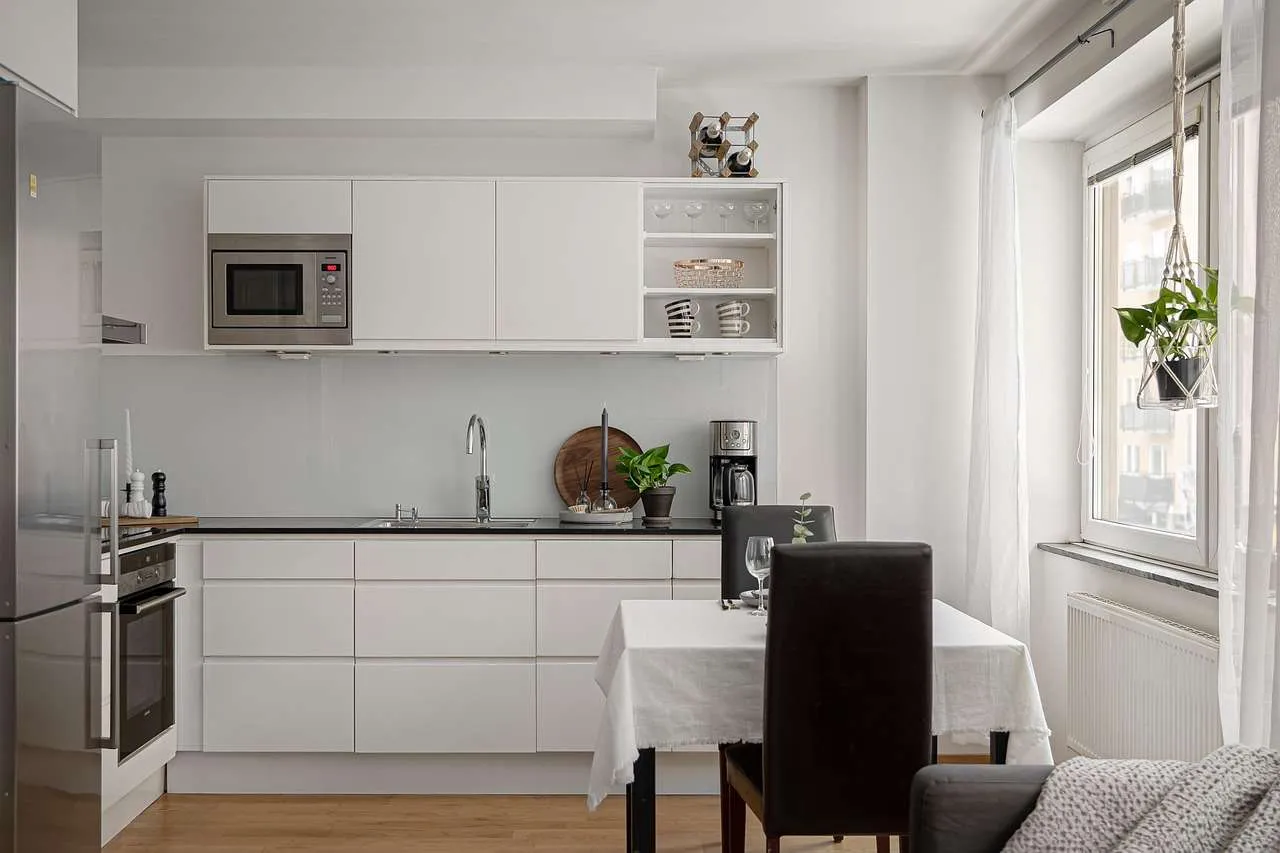
Finding the right home window tinting near me is about balancing quality, value, and local expertise. If you’re exploring options for comfort, UV protection, and energy savings, this guide helps you evaluate installers, select the right film, and understand what a professional, EEAT-forward provider will deliver. From understanding tint types to verifying licenses and warranties, you’ll learn how to choose confidently and avoid common pitfalls.
What to Expect When You Search for “Home Window Tinting Near Me”
Local tint providers typically show up through search results, maps, and review platforms. When evaluating them, look for measurable expertise (certified installers, proper training), authority (portfolio of residential projects, transparent pricing), and trust (clear warranties, licenses, and service guarantees). A reputable local company will walk you through film options, provide a measurement-based quote, and give you a written warranty that covers bubbling, fading, and adhesion issues.
Types of Residential Window Tinting
Choosing the right tint depends on your goals (energy savings, privacy, glare control) and window characteristics (glazing, coatings, and seal integrity). Here are common residential options and what they offer:
Ceramic Tint
Ceramic films are non-conductive and offer excellent heat rejection, strong UV protection, and minimal color change. They preserve natural light without the mirror-like appearance of some metals, and they won’t interfere with home electronics or Wi‑Fi signals. Expected durability makes them a popular long‑term investment for living rooms and bedrooms.
Carbon/Ceramic Hybrid Tint
Carbon-based films reduce heat gain and glare and maintain a neutral, low-reflective look. They balance aesthetics with performance, resisting fading over time. Many homeowners choose carbon or carbon-ceramic hybrids for a good blend of cost, comfort, and energy savings.
Dyed/Hybrid Dye Tint
Dyed films are typically the most affordable option and can improve privacy and glare. However, they are more prone to fading and may offer less long-term heat rejection than ceramic or carbon films. Hybrid blends attempt to improve color stability while keeping costs reasonable.
Metalized/Hybrid Metal Tint
Metalized films reflect a portion of heat and provide strong glare reduction. Some metalized options can cause subtle interference with certain wireless devices or satellite signals in rare setups; most modern homes mitigate this with proper installation and shielding. Hybrids combine metal with non-metal layers to reduce potential signal issues while retaining performance.
How to Choose a Local Tint Provider
When evaluating local installers for home window tinting near me, prioritize these factors:
- Licensing and Certification: Verify state or local contractor licenses and any manufacturer certifications for the film you select.
- Warranties and Service: Look for lifetime or multi-year warranties on adhesive, clarity, and fading. A reputable installer will honor warranty claims if issues arise.
- Portfolio and References: Review completed residential projects similar to your home and request client references.
- Measurement-Based Quote: Reputable providers measure on-site, assess sun exposure, and tailor the film choice to your windows and goals.
- Transparent Pricing: Ensure the quote includes labor, film, warranty terms, and post-install care instructions. Watch for hidden fees or filler upsells.
Energy Savings, UV Protection, and Comfort
Modern residential films block up to 99% of UV rays, protecting furnishings and skin from sun damage while reducing glare. While film cannot eliminate all heat transfer, high-performance options can significantly cut cooling needs in hot climates, contributing to lower energy bills and improved interior comfort. For homes with large sun-facing windows, a film that balances light transmission with heat rejection typically yields the best overall experience without darkening rooms excessively.
Installation Process and Timeline
A typical installation follows these steps: on-site assessment, window cleaning, film cutting and precise application, bubbling and edge sealing, and a curing period. Most residential jobs are completed in a day or two per home, depending on the number of windows and the complexity of arched or specialty panes. A seasoned installer will protect surrounding finishes and provide aftercare guidance to maintain film clarity and adhesion.
Cost, Warranty, and Maintenance
Costs vary by film type, window size, number of panes, and local labor rates. As a general guide, home window tinting near me projects may range from $5 to $15 per square foot, with premium ceramic or carbon films at the higher end. Maintenance is simple: avoid abrasive cleaners, wipe with a soft, non-abrasive cloth, and follow manufacturer recommendations. Warranties commonly cover adhesion integrity, film discoloration, and edge seal issues for a specified period, providing peace of mind for years after installation.
Comparison of Tint Types
| Tint Type | UV Rejection | Visible Light Transmission (VLT) | Heat Rejection | Durability | Typical Cost (per sq ft) |
|---|---|---|---|---|---|
| Ceramic | Very high | 35–75% | Excellent | Excellent | $8–$15 |
| Carbon | Very high | 35–70% | High | Very good | $6–$12 |
| Dyed | High | 20–65% | Moderate | Moderate | $5–$9 |
| Metalized | High | 25–70% | Very good | Good | $6–$11 |
| Hybrid | High | 30–70% | High | Very good | $7–$13 |
Frequently Asked Questions
Q: Can window tinting affect home security or window replacement? A: Quality films can add a privacy layer without compromising safety; some films also provide shatter resistance. If panes are already compromised, consider standard window replacement alongside tinting. Q: Will tinting affect my insurance? A: Generally, tinting does not affect insurance premiums unless there is a separate glazing modification policy. Always check with your provider. Q: How long does tint last? A: With proper care and professional installation, most residential films maintain performance for 10–20 years or longer, depending on climate and sun exposure.
Choosing Value: Local Experience and EEAT
To align with EEAT, prioritize local installers who demonstrate depth of experience with residential projects, publish transparent warranties, and provide verifiable client references. A strong local partner will help you select the right film for your climate, home orientation, and budget, while offering post-install support and guidance for care and maintenance.
Conclusion, or to end on a practical note, working with a knowledgeable, licensed pro for home window tinting near me ensures you receive accurate assessments, durable materials, and service that respects your time and property. A well-chosen tint strengthens comfort, reduces energy use, and protects furnishings for years to come.
Summary: A thoughtful choice of tint type, coupled with a licensed installer and a solid warranty, delivers comfort, UV protection, and energy savings for your home. By understanding film options, verifying credentials, and comparing quotes, you’ll achieve the best value and lasting performance from your home window tinting near me project.